Introduction
Imagine buying a fleet-maintained truck, a stack of laptops, or specialized outdoor gear for a fraction of its retail price. Every year, federal, state, and local government agencies clear out their excess inventory. This process opens up a goldmine for smart buyers: government surplus auctions.
Whether you are an entrepreneur looking for cheap office equipment or a hobbyist searching for tools, these public auctions offer massive savings. Here is everything you need to know to get started and win big.
What is Government Surplus?
Government agencies constantly upgrade their equipment. When items are no longer needed—but are still perfectly usable—they are classified as surplus. Instead of throwing them away, agencies sell them to the public to recoup tax dollars.
Common items available include:
-
Vehicles: Trucks, sedans, SUVs, and military humvees.
-
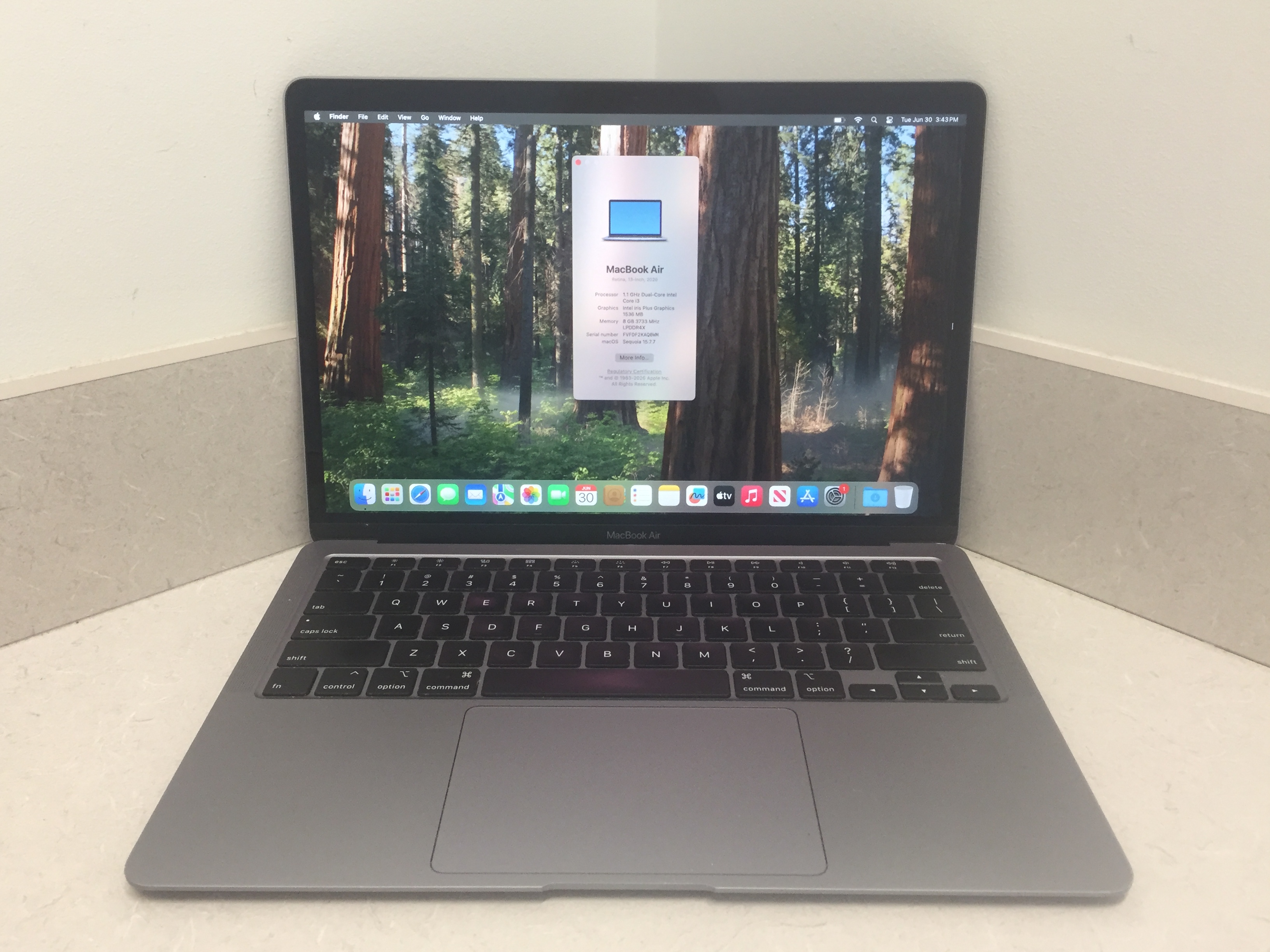
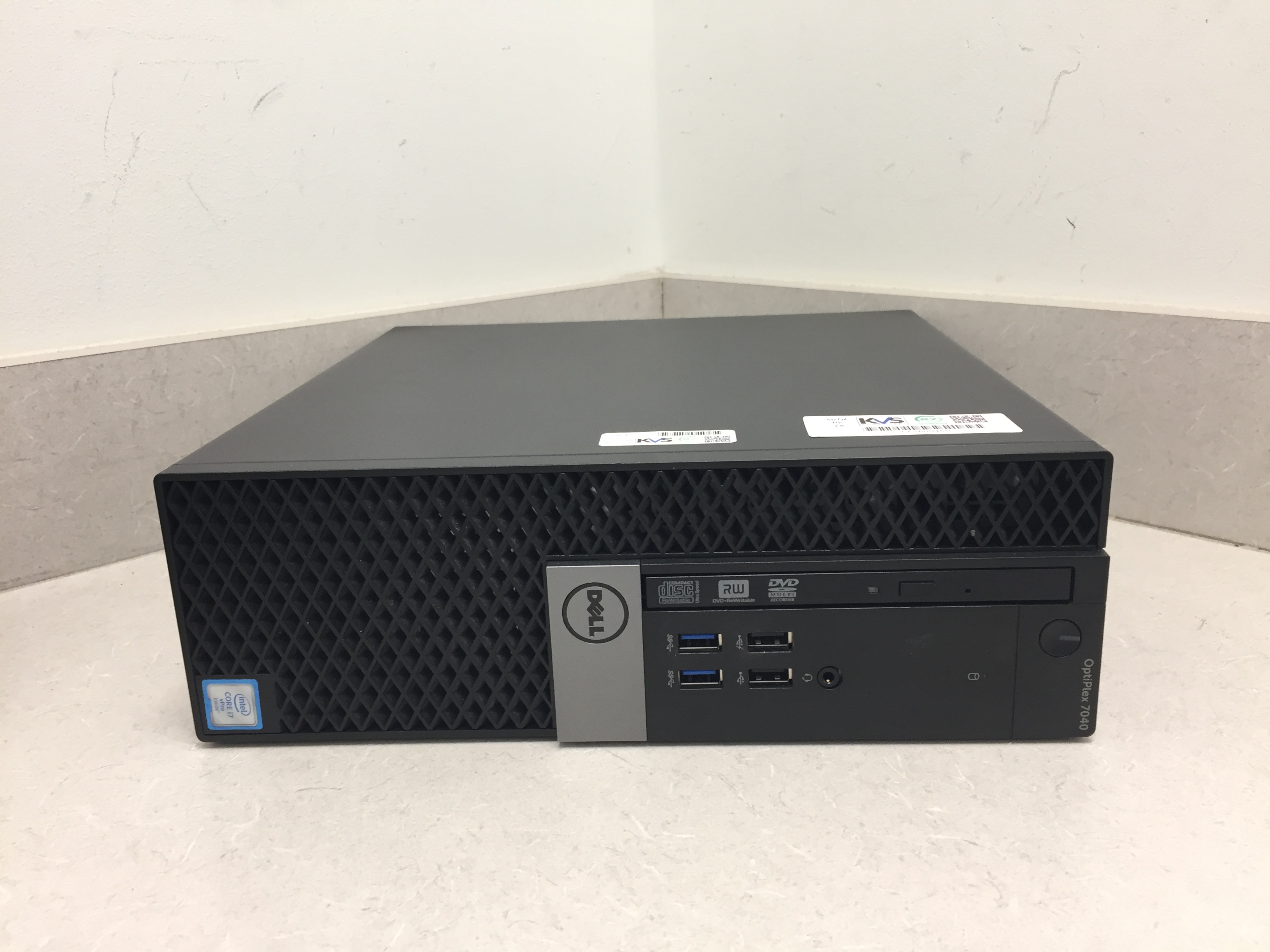
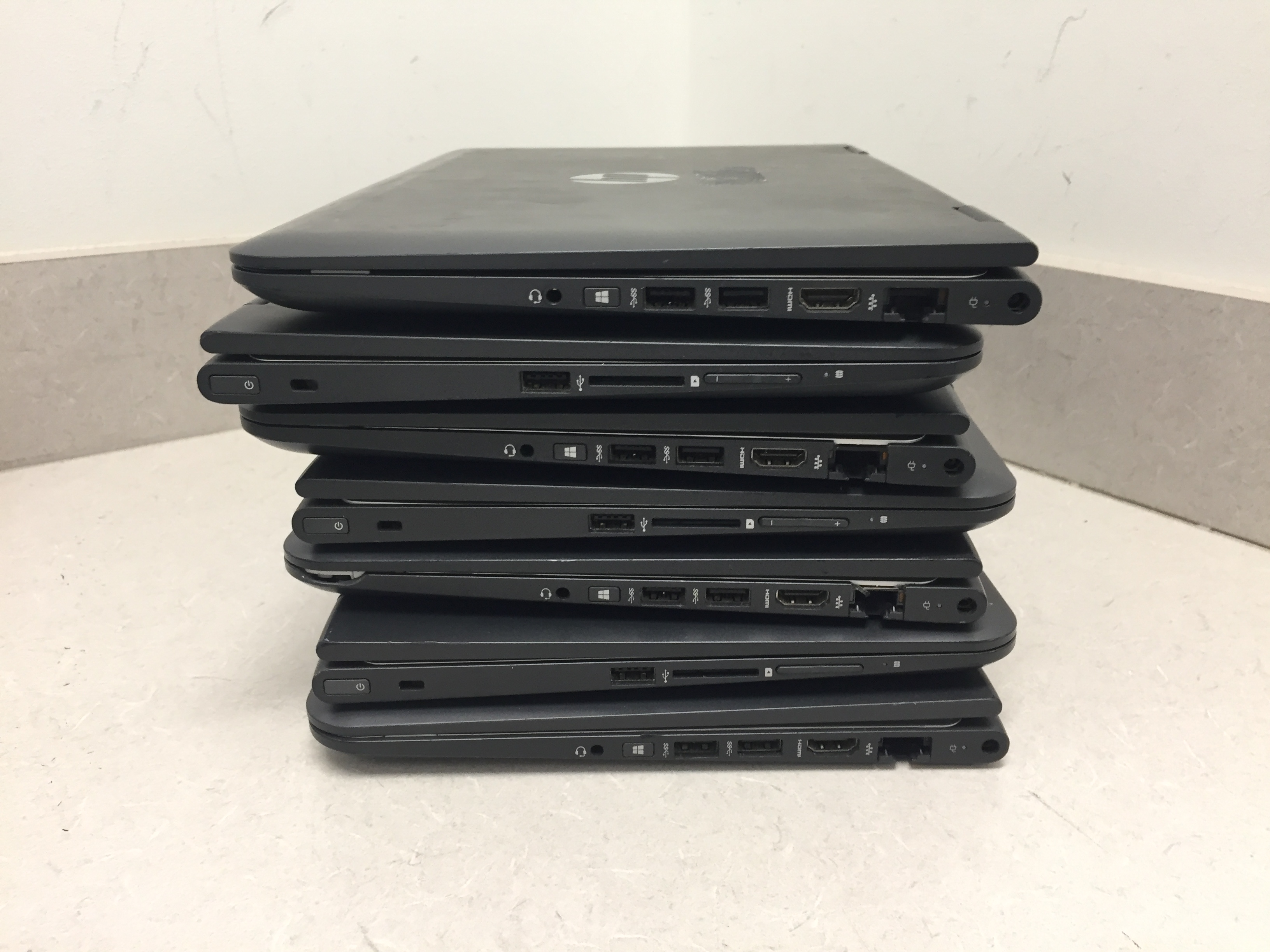
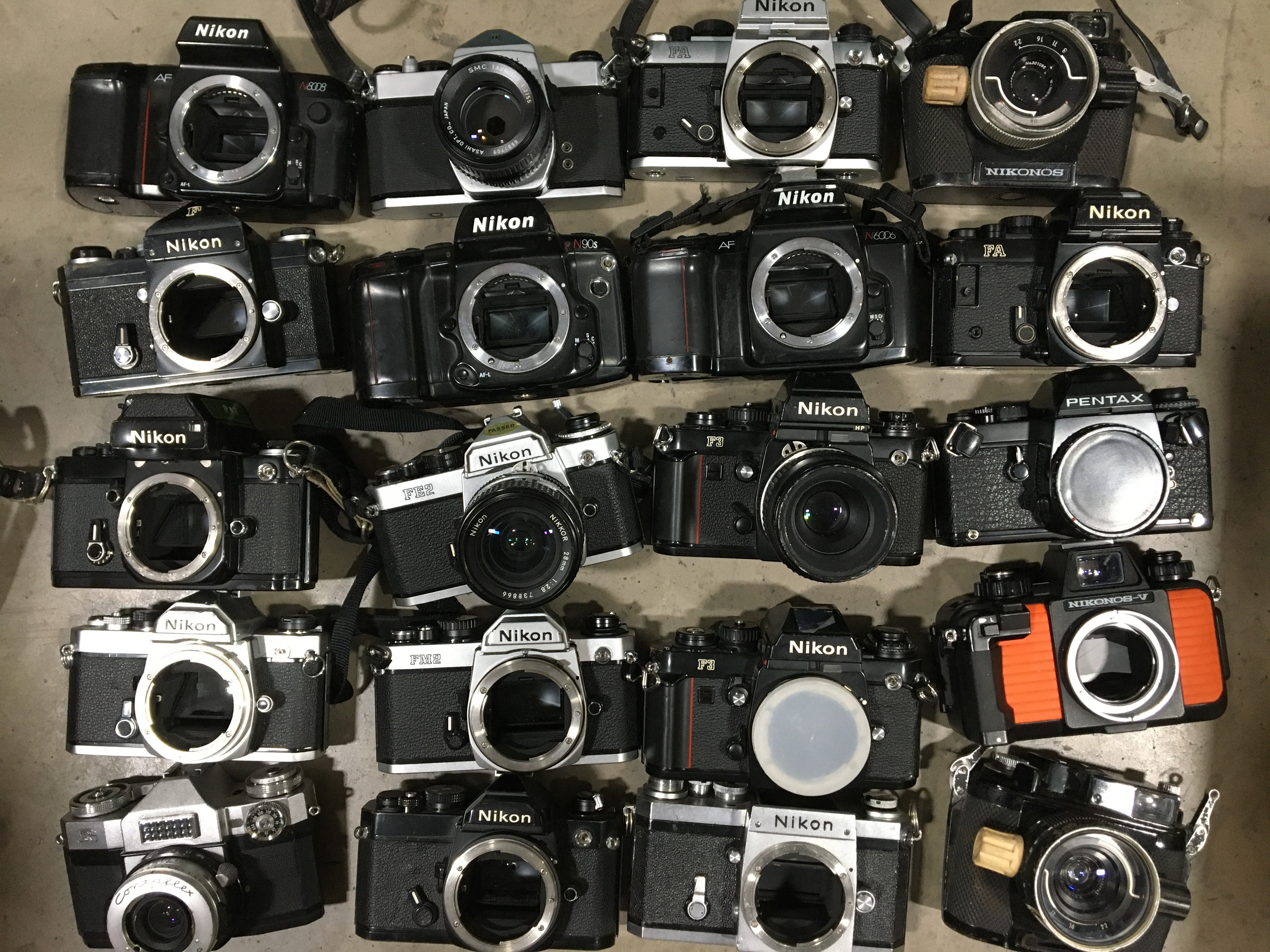
Electronics: Laptops, desktop monitors, servers, and digital cameras.
-
Heavy Machinery: Tractors, generators, and industrial tools.
-
Specialty Gear: Tactical clothing, medical supplies, and office furniture.
Where to Find Official Auctions
You must use official, verified platforms to avoid scams. The inventory is usually split between federal platforms and third-party liquidators handling state or local goods.
-
GSA Auctions: Run by the federal General Services Administration, this is the premier site for federal property, including scientific equipment and vehicles.
-
KVS Auctions: A user-friendly online marketplace focused heavily on certified used and refurbished tech equipment, connecting buyers directly with certified government surplus laptops, desktops, and electronics from KVS Auctions..
-
US Treasury Auctions: Ideal for finding property, jewelry, and vehicles seized by federal law enforcement.
Tips for Auction Success
Bidding on surplus is exciting, but it requires a strategic approach to avoid costly mistakes.
-
Read the Descriptions Carefully: Items are typically sold "as-is, where-is." This means there are no warranties, returns, or refunds. Look closely at photos and notes about missing parts or mechanical issues.
-
Factor in Extra Costs: The winning bid is rarely the final price. You must account for buyers' premiums (often 10% to 15%), local sales tax, and shipping or removal logistics.
-
Know the Pick-Up Rules: Most government warehouses do not ship items. You must be prepared to pick up your winnings within a strict timeframe, usually 10 business days.
Conclusion
Government surplus auctions require a bit of patience and research, but the financial rewards are well worth the effort. By sticking to official sites, setting a strict budget, and reading the fine print, you can uncover incredible deals on high-quality equipment. Happy bidding!